Cleaning an air purifier regularly can help maintain proper airflow and keep the unit working as intended. However, one common maintenance mistake can do more harm than good: washing a filter that was never designed to be washed.
Not all air purifier filters are the same. Some pre-filters and permanent reusable filters can be cleaned, while many disposable HEPA and activated carbon filters should be replaced rather than washed.
Using water, household cleaners, or an unauthorized vacuuming method can damage filter media and reduce filtration performance.
In this guide, you’ll learn how to clean an air purifier filter safely, which filter types can be washed, which ones should never be washed, and when replacement is the better option.
Can You Clean an Air Purifier Filter?
Yes, some air purifier filters can be cleaned, but the correct method depends on the filter type and the manufacturer’s instructions.
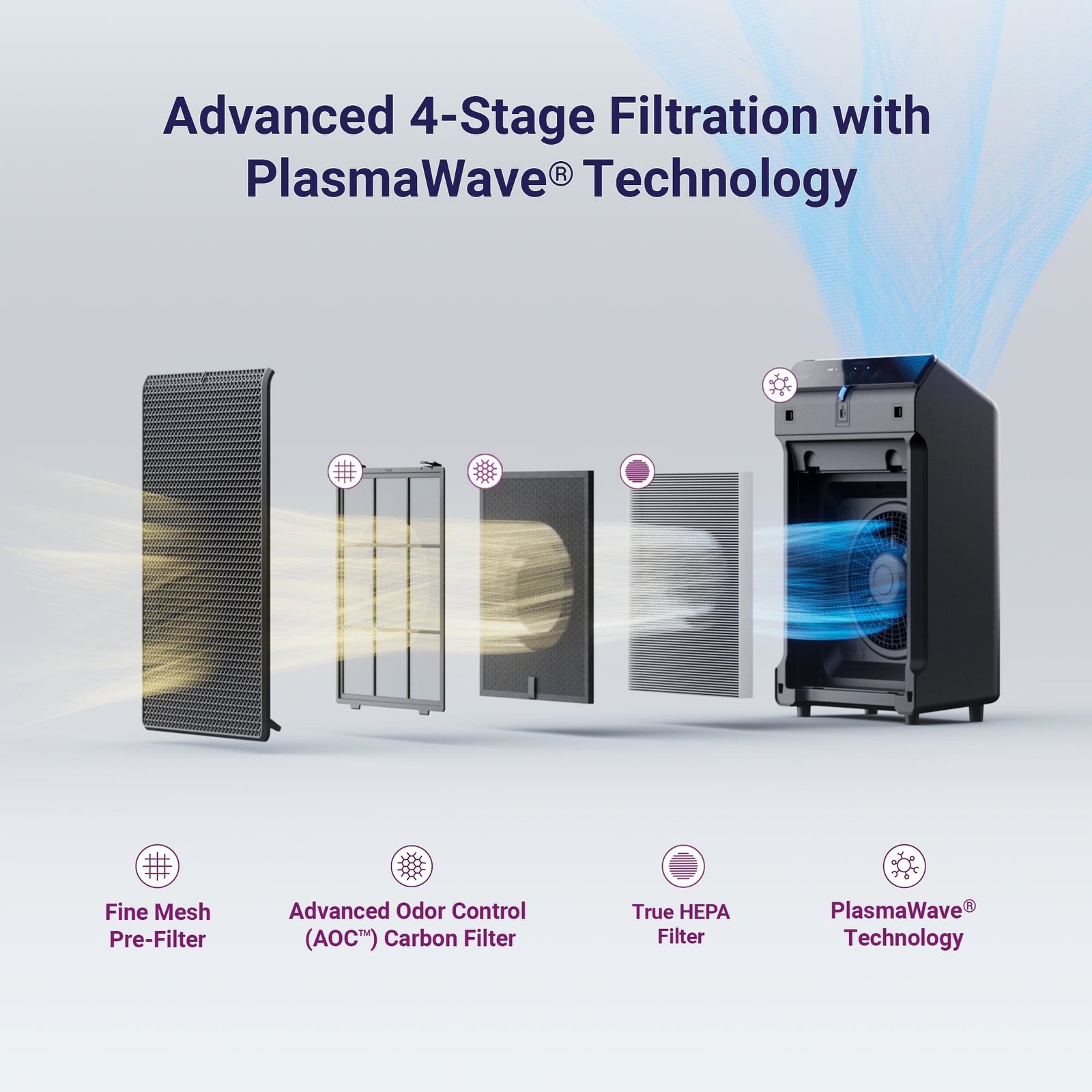
Air purifiers commonly use several filtration stages:
- Pre-filters that capture larger particles such as hair, lint, and visible dust.
- HEPA filters that capture fine airborne particles.
- Activated carbon filters that adsorb certain gases and odors.
- Permanent washable filters used in selected purifier designs.
Some pre-filters are washable, while others should only be vacuumed or replaced. Certain permanent filters are designed for repeated cleaning. Most disposable HEPA and activated carbon filters, however, are not designed to be washed.
Before cleaning anything, identify the exact filter installed in your purifier and check the user manual.
Which Air Purifier Filters Can Be Washed?
The word “filter” does not automatically mean that a component is washable. Here are the main types that may be suitable for cleaning.
1. Washable Pre-Filters
A pre-filter is usually the first filtration stage in an air purifier. Its job is to capture larger airborne debris before air reaches the main filter.
Depending on the model, a pre-filter may collect:
- Pet hair
- Lint
- Larger dust particles
- Visible household debris
Some pre-filters are washable, while others are designed for vacuum cleaning or replacement.
If the manufacturer identifies your pre-filter as washable, follow its recommended water temperature, cleaning method, and drying instructions.
2. Permanent Washable Filters
Some air purifiers use reusable filtration systems designed to be cleaned rather than routinely replaced.
These may include permanent electrostatic or other washable filter designs.
For example, certain Honeywell air purifiers use permanent ifD filtration technology. These filters have model-specific cleaning instructions and should not be treated like conventional disposable HEPA filters.
Always confirm the exact model and filter type before cleaning.
3. Washable Mesh Filters
Some air purifiers include removable mesh components designed for repeated cleaning.
These filters may be cleaned with water if the manufacturer permits it. Allow them to dry completely before reinstalling.
Never assume that a mesh-like appearance means a filter is washable.
Which Air Purifier Filters Should Never Be Washed?
Some filters are designed to be replaced when they reach the end of their service life. Washing them can damage the material or affect their ability to capture pollutants.
1. Disposable HEPA Filters
Most residential disposable HEPA filters contain delicate fibrous media designed to capture very small airborne particles.
Washing these filters can damage the fiber structure, affect the filtration material, and reduce performance.
Water may also cause the filter media to deform or become difficult to dry completely.
For most disposable HEPA filters:
- Do not rinse them under a tap.
- Do not soak them in water.
- Do not use soap or detergent.
- Do not scrub the filter surface.
- Do not vacuum them unless the manufacturer explicitly permits it.
When a disposable HEPA filter reaches the end of its service life, replace it with a compatible filter.
2. Activated Carbon Filters
Activated carbon filters are designed to adsorb certain gases and odor-causing compounds.
Their porous structure provides a large internal surface area where selected gas molecules can attach.
Washing a standard activated carbon filter is generally not recommended. Water and cleaning products may affect the carbon media and its performance.
Instead of trying to wash an exhausted carbon filter, follow the manufacturer’s replacement instructions.
3. HEPA-Type and Other Disposable Filters
Some air purifiers use proprietary particle filters that are not marketed as True HEPA but still contain disposable filter media.
These should also be treated according to their manufacturer’s instructions.
Do not assume that a filter is washable simply because it does not carry a True HEPA label.
How to Clean an Air Purifier Pre-Filter: Step by Step
If your purifier has a washable pre-filter, the following general process can help you maintain it safely.
Important: Follow your model’s manual if its instructions differ from this general procedure.
Step 1: Turn Off and Unplug the Air Purifier
Switch off the unit and disconnect it from the electrical outlet before opening the filter compartment.
This reduces the risk of accidental operation while you are handling internal components.
Step 2: Remove the Filter Carefully
Open the purifier according to the manufacturer’s instructions.
Identify the pre-filter and separate it from the main filter if the design allows.
Avoid pulling, bending, or damaging delicate filter materials.
Step 3: Check the Cleaning Instructions
Before using water or a vacuum cleaner, confirm whether the pre-filter is:
- Washable
- Vacuum-cleanable
- Replaceable only
This is one of the most important steps. A wrong cleaning method can damage a filter that otherwise might have continued working properly.
Step 4: Clean Using the Approved Method
If the manufacturer permits washing, use the recommended water temperature and cleaning process.
If the filter is vacuum-cleanable, use only the recommended attachment and suction method.
Do not use harsh chemicals, bleach, solvents, or aggressive scrubbing unless specifically authorized by the manufacturer.
Step 5: Let the Filter Dry Completely
If the filter has been washed, allow it to air-dry completely.
Do not reinstall a damp filter.
Avoid using hair dryers, heaters, or direct high heat to speed up drying unless the manual specifically permits the method.
Step 6: Reinstall the Filter Correctly
Once the filter is completely dry, reinstall it in the correct orientation.
Close the purifier compartment securely and check that all components are properly positioned.
Step 7: Reset the Filter Indicator if Required
Some air purifiers have maintenance indicators or filter replacement reminders.
If your model requires an indicator reset after cleaning or replacing a particular filter, follow the instructions in the manual.
Remember that resetting a reminder does not restore an old or damaged filter.
How to Maintain HEPA and Carbon Filters Without Washing Them
Disposable filters still need attention, even when they cannot be washed.
Here are some practical maintenance steps.
Inspect Filters Regularly
Check the filter condition according to the manufacturer’s recommended schedule.
Look for visible damage, unusual buildup, or signs that the filter needs replacement.
Keep the Air Intake and Outlet Clear
Dust and objects around the air intake or outlet can interfere with airflow.
Keep the purifier positioned according to its installation instructions and avoid blocking its vents.
Clean the Exterior and Filter Compartment
Use a soft, dry cloth to clean the exterior surfaces.
If the manufacturer allows it, gently remove dust from accessible areas of the filter compartment without damaging internal components.
Never allow water to enter the motor, electrical components, or sensor openings.
Replace Filters When Required
A disposable HEPA or carbon filter should be replaced according to the model’s instructions, operating conditions, and filter status.
Do not extend its service life simply by cleaning or resetting the indicator.
How Often Should You Clean an Air Purifier Filter?
There is no universal cleaning schedule for every air purifier.
Cleaning frequency depends on the filter design, usage, indoor pollution, and manufacturer’s instructions.
Here is a general maintenance approach:
| Component | General Maintenance |
|---|---|
| Washable pre-filter | Inspect and clean as recommended |
| Vacuum-cleanable pre-filter | Vacuum only if permitted |
| Disposable HEPA filter | Inspect and replace as directed |
| Activated carbon filter | Replace according to manufacturer guidance |
| Permanent washable filter | Clean according to its manual |
| Exterior and air vents | Clean when dust accumulates |
Homes with pets, heavy dust, construction activity, or frequent cooking may require more frequent inspection.
If your purifier operates continuously, its filters may accumulate pollutants faster than a unit used occasionally.
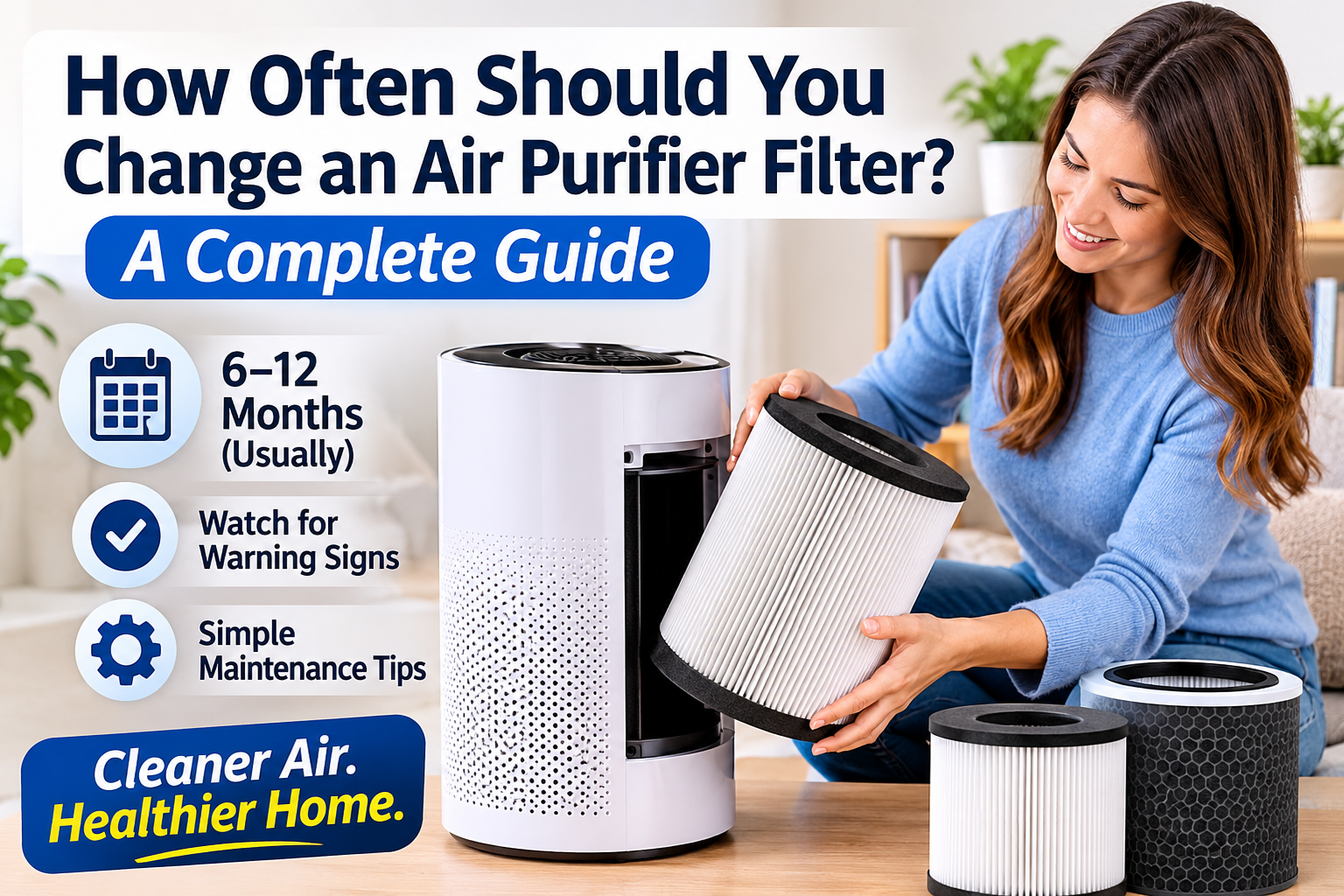
For model-specific replacement guidance, read our guide: How Often Should You Change an Air Purifier Filter?
Common Air Purifier Filter Cleaning Mistakes
Avoid these mistakes to protect your purifier and maintain proper filtration performance.
1. Washing a Disposable HEPA Filter
A disposable HEPA filter is generally not designed to be washed. Water can damage its filtration media.
2. Vacuuming Without Manufacturer Approval
Vacuuming may damage delicate filter materials. Only vacuum a filter when the manufacturer specifically permits it.
3. Washing an Activated Carbon Filter
A standard activated carbon filter should generally be replaced rather than washed.
4. Using Harsh Cleaning Chemicals
Bleach, detergents, solvents, and other chemicals may damage filter materials.
Use only cleaning products specifically approved by the manufacturer.
5. Reinstalling a Wet Filter
A damp filter should not be reinstalled. Allow washable filters to dry completely according to the manual.
6. Using Heat to Dry a Filter
High heat can deform or damage certain filter materials. Avoid hair dryers and heaters unless the manufacturer explicitly allows them.
7. Resetting the Filter Indicator Without Replacing the Filter
A filter indicator is a maintenance reminder, not a cleaning mechanism.
Resetting it does not remove accumulated pollutants or restore an exhausted filter.
Brand-Specific Air Purifier Filter Cleaning Guidance
Cleaning instructions can differ significantly between manufacturers and even between models from the same brand.
Here are examples of what to check.
Levoit
Levoit manuals provide model-specific instructions for maintaining the air purifier and its filters.
Some models have pre-filter maintenance instructions, while their main replacement filters are generally disposable.
Check the manual for your exact Core, Vital, or other series before cleaning.
Blueair
Blueair distinguishes between its main replacement filters and certain washable pre-filter components.
For example, some Blueair fabric pre-filters can be washed according to the product instructions, while the main particle filters should not be washed or vacuumed.
Philips
Philips provides model-specific cleaning and replacement instructions.
Some Philips purifiers have washable pre-filters, while their main HEPA and activated carbon filtration components are generally replaced rather than washed.
Honeywell
Honeywell offers different filtration technologies.
Some conventional Honeywell HEPA replacement filters are disposable, while selected models use permanent washable ifD filters.
Do not apply the cleaning instructions for a permanent ifD filter to a conventional disposable HEPA filter.
Important: These are general brand-level examples, not universal instructions for every model. Always verify the exact model number and its official manual before cleaning.
Frequently Asked Questions
1. Can You Wash an Air Purifier Filter?
Some air purifier filters can be washed, including certain washable pre-filters and permanent reusable filters. Most disposable HEPA and activated carbon filters should not be washed. Check the user manual before cleaning.
2. Can You Wash a HEPA Filter With Water?
Most disposable residential HEPA filters should not be washed with water. Washing may damage their filtration media and affect performance. Replace them according to the manufacturer’s instructions.
3. Can You Vacuum a HEPA Filter?
It depends on the filter and the manufacturer. Many disposable HEPA filters should not be vacuumed because the process may damage the filter material. Follow the exact model’s cleaning instructions.
4. How Do You Clean an Air Purifier Pre-Filter?
First, check whether the pre-filter is washable or vacuum-cleanable. Turn off and unplug the purifier, remove the filter, clean it using the approved method, let it dry completely if washed, and reinstall it correctly.
5. Can Activated Carbon Filters Be Washed?
Standard activated carbon filters are generally not designed to be washed. Washing may affect the carbon media and its adsorption performance. Follow the manufacturer’s replacement instructions.
6. How Often Should an Air Purifier Filter Be Cleaned?
The schedule depends on the filter type, purifier model, operating hours, and indoor conditions. Inspect washable pre-filters according to the manual and replace disposable filters as directed.
7. Can You Use Soap to Clean an Air Purifier Filter?
Only if the manufacturer explicitly allows it for that specific washable filter. Never use soap or detergent on a disposable HEPA or standard activated carbon filter.
8. How Do You Know When an Air Purifier Filter Needs Replacement?
Common signs include visible damage, persistent buildup, reduced airflow, an activated replacement indicator, or reaching the manufacturer’s recommended service interval. Some filters may need replacement even if they do not look visibly dirty.
Final Thoughts: Clean the Right Filter, Replace the Rest
Cleaning an air purifier filter is not simply a matter of removing dust and rinsing it with water.
The correct approach depends on the type of filtration media and the manufacturer’s instructions.
Washable pre-filters and selected permanent filters can be cleaned when their manuals permit it. Most disposable HEPA and standard activated carbon filters should be replaced rather than washed.
Before cleaning your air purifier, identify the exact filter, check its maintenance instructions, and use only approved cleaning methods.
A little careful maintenance can help protect your investment and keep your air purifier operating as intended.
About the Author
Kamal Kishor Raika writes about air purifiers, indoor air quality, filtration technology, and practical home air-cleaning solutions at BestAirPurifierOnline.com.